(1).png?w=1016&h=340)
The Emotional Intelligence of Color: Mastering the Kelvin Scale in Luxury Design
Feb 27,2026
In the hierarchy of interior lighting, the ceiling chandelier often claims the title of "the statement piece," while floor lamps are seen as versatile accents. Yet, there is one fixture that architectural lighting designers rely on to truly define a space, add character, and sculpt atmosphere: The Wall Sconce.
Unlike overhead lighting, which illuminates from above, wall sconces sit at eye level. This specific placement allows them to engage directly with the room’s architecture and its inhabitants. They are not merely functional sources of light; they are compositional elements that bridge the gap between furniture and structure.
Here is why, in luxury interior design, the sconce is considered the secret to architectural elegance.
Defining the Perimeter: Expanding the Room’s Horizon
One of the most powerful uses of a wall sconce is to highlight the room’s boundary. By illuminating the vertical planes (the walls), sconces draw the eye to the room's limits, making the space feel expansive and less confined by shadows.
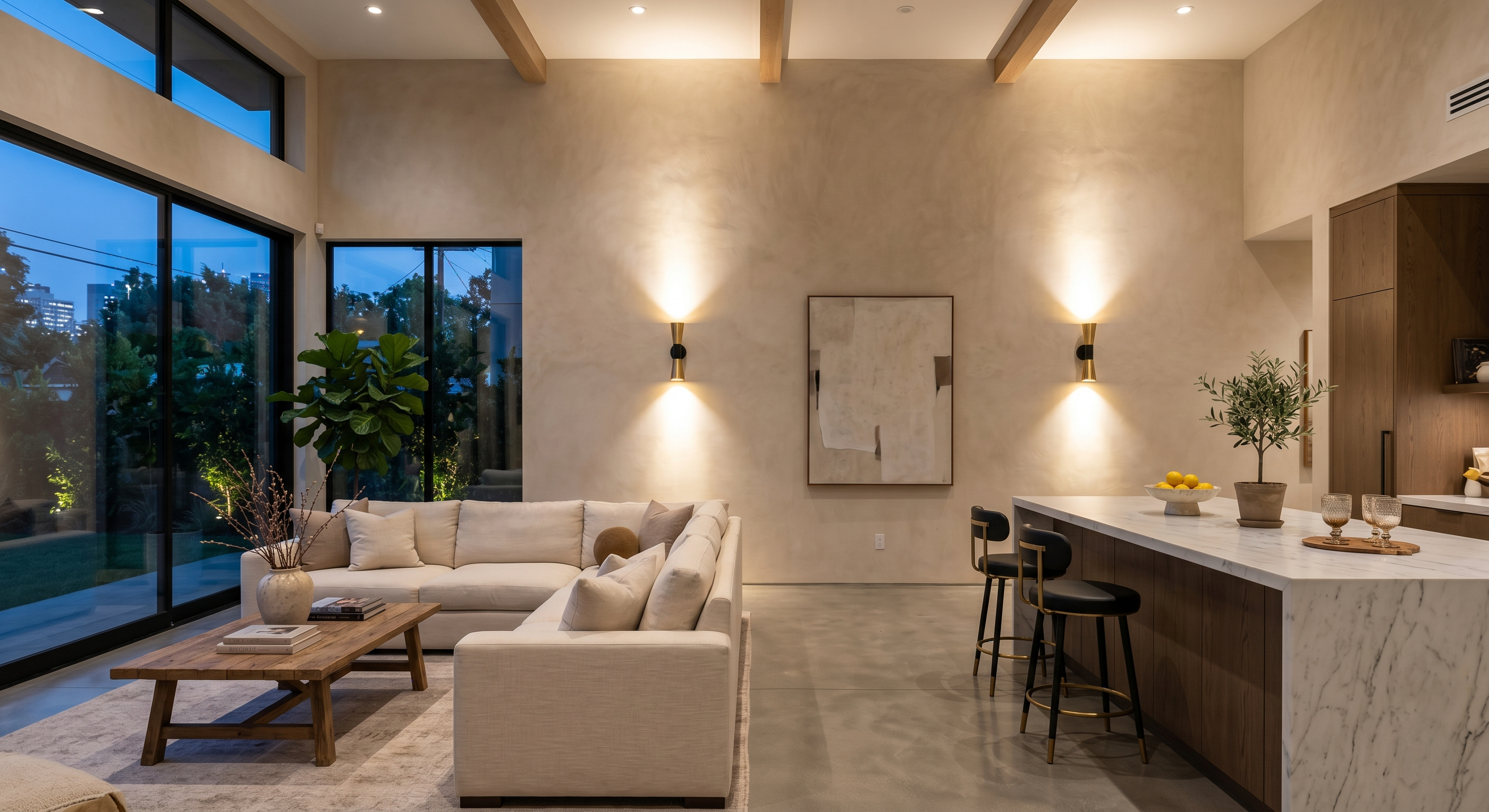 Designer Tip: Utilize sconces on a feature wall or on either side of a large window. This not only complements the central light source but also adds a secondary layer of light that creates a wash on the wall, softening the edges of the room and adding texture to painted or papered surfaces.
Creating Emotional Zones: The Psychology of Intimacy
The placement of light dramatically impacts the mood. Overhead lighting, if too bright, can feel institutional. Floor lamps are casual. But sconces, being at eye level and often directional, excel at creating an atmosphere of safety, intimacy, and focus.
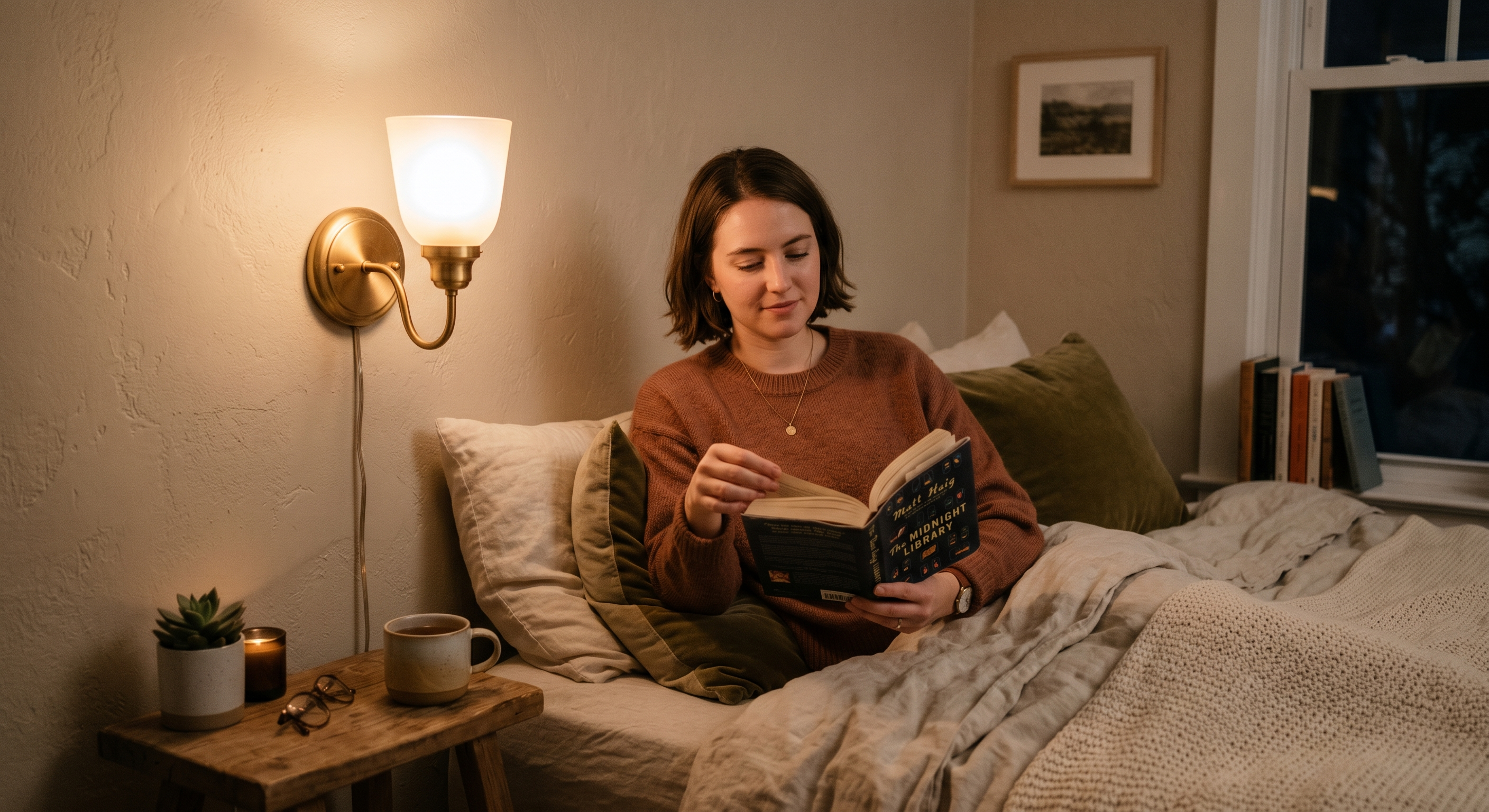 Psychology of Light: Warm, soft light originating from wall level mimics the soothing glow of a fireplace or a sunset. Placing sconces in a master bedroom on either side of the bed or in a reading nook immediately signals to the brain that this is a place to relax and decompress.
Sculptual Symmetry: Elevating Architectural Details
Historically, sconces were torches used to illuminate castles and pathways. Today, they retain that architectural purpose. Their fixed position allows for the creation of rhythm, balance, and symmetry—the cornerstones of high-end design.
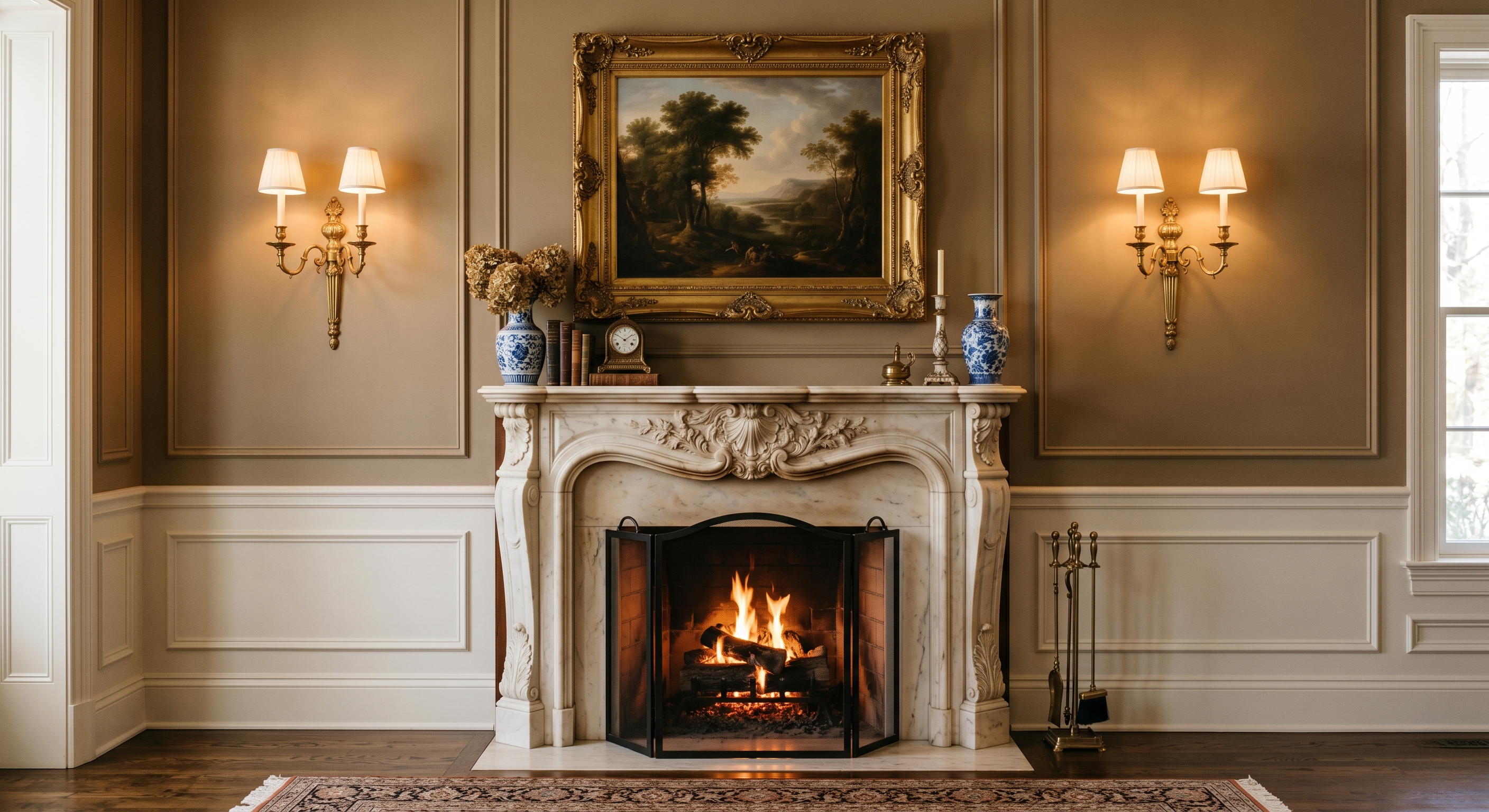 Application: Sconces are the perfect tool to frame focal points. Flanking a fireplace, a mirror, or a piece of large-scale artwork with a pair of sconces elevates that object’s importance, transforming a simple wall into a curated gallery.
Directing the Narrative: Down-Lighting and Accentuation
Not all sconces are created equal. Some diffuse light, while others are highly directional.
Functional Art: Use downward-facing sconces to highlight specific furniture pieces or textures. Placed above a console table in an entryway, a sconce becomes a compositional element that draws attention to the texture of the wooden table and the objects displayed upon it, telling a silent story of craftsmanship and curated taste.
Conclusion: Making Walls Whisper Luxury
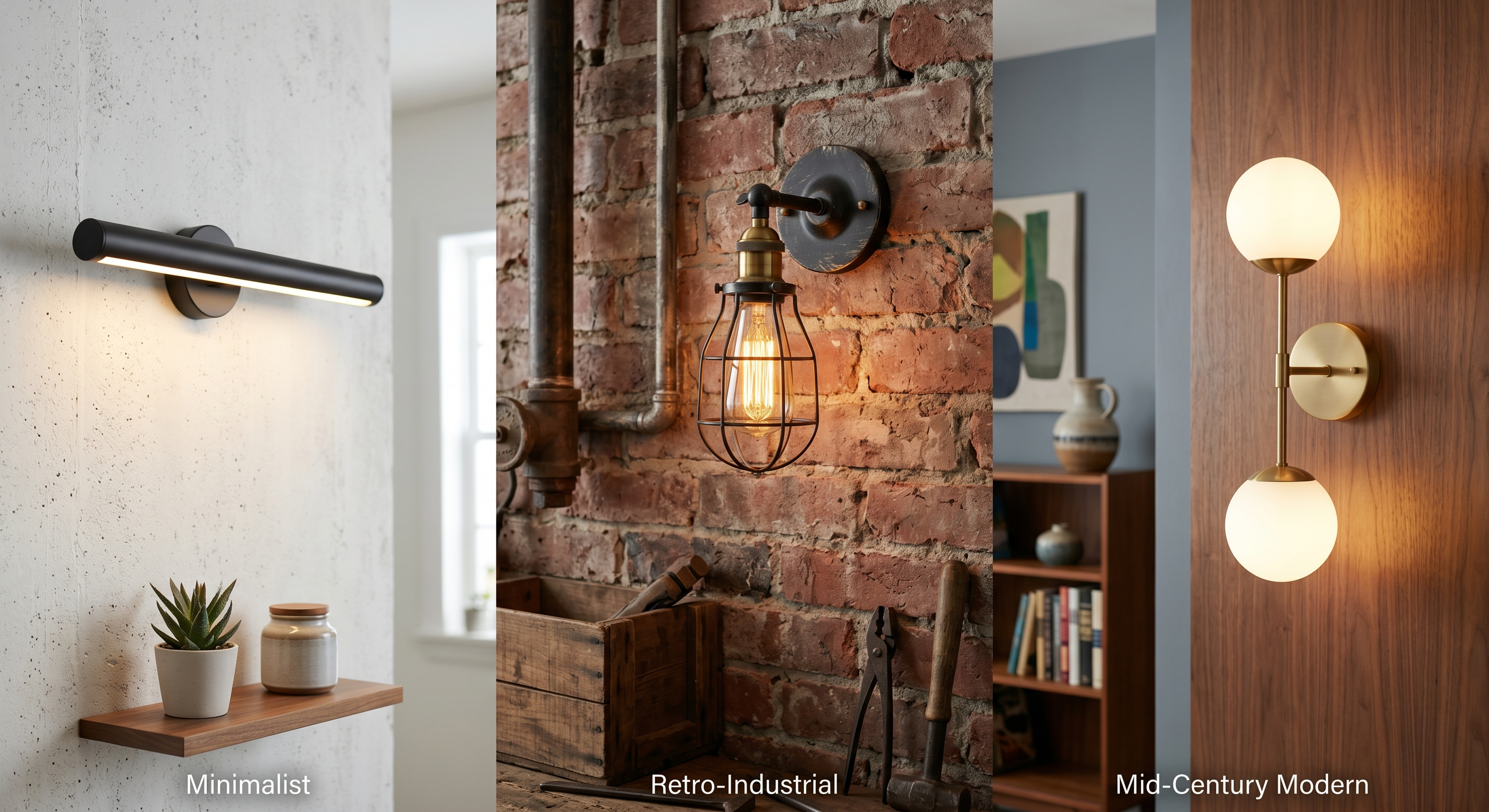 Walls are the largest surfaces in your home. Leaving them blank is a missed design opportunity; lighting them from above is purely functional. Lighting them with walls sconces is an art. Sconces provide the nuance, the texture, and the soul that turn a house into a soulful sanctuary.
Explore our curated collection of Wall Sconces, featuring sculptural silhouettes, premium finishes, and artisan details designed to elevate your walls from background to centerpiece.