(1).png?w=1016&h=340)
Beyond the Switch: Mastering the Art of Layered Lighting
Apr 12,2026
In luxury interior design, light is not merely a utility; it is a sculpting tool. The most common mistake in home lighting is relying on a single overhead source to illuminate a room. While functional, "flat" lighting strips a space of its architectural depth and emotional resonance.
To create an environment that feels both expansive and intimate, professional designers employ the "Three-Layer Rule." By layering Ambient, Task, and Accent lighting, you can transform a static room into a dynamic sanctuary.
The Foundation: Ambient Lighting (The Base)
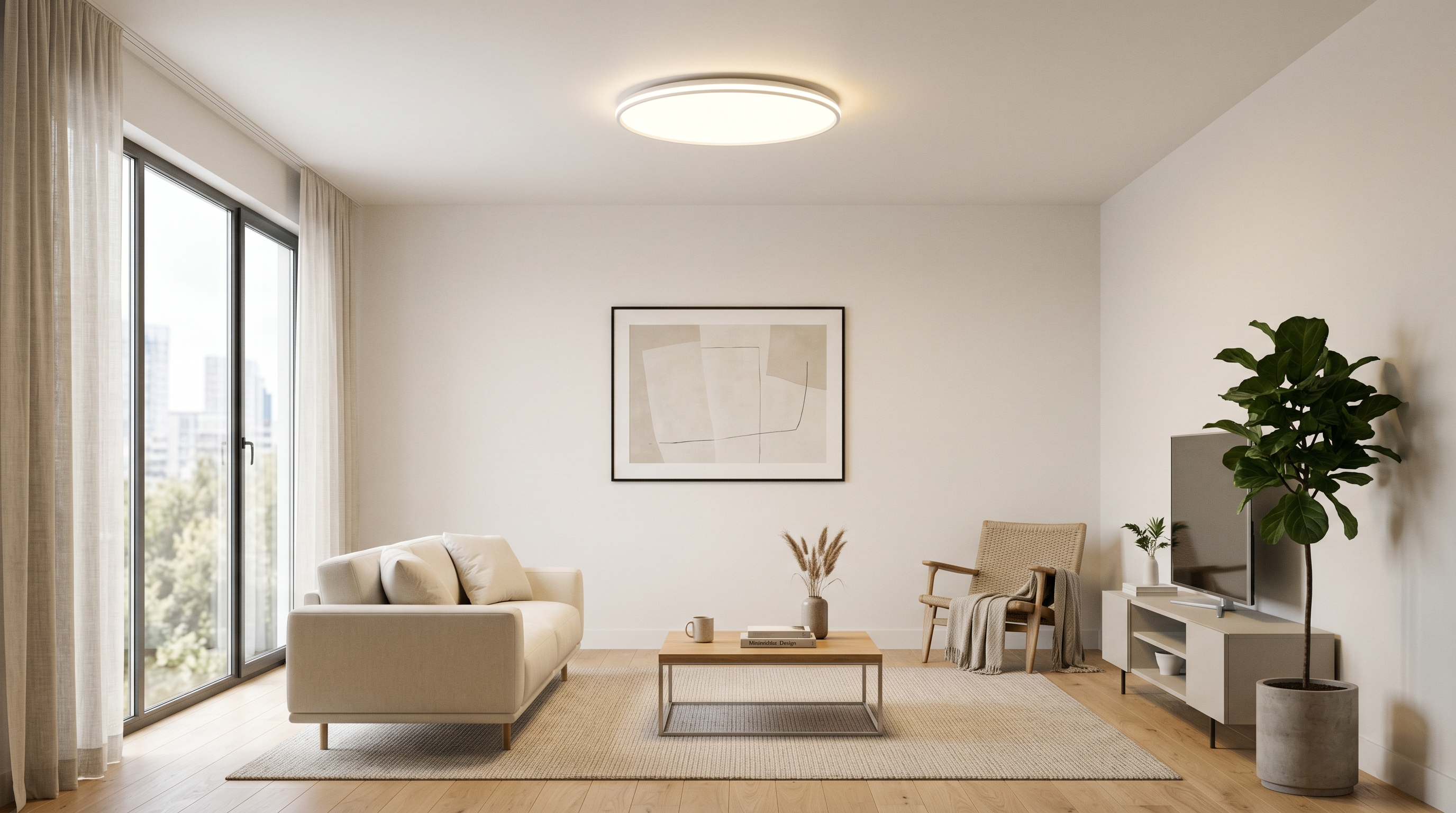
Ambient lighting is the "canvas" of your room. It provides the overall illumination required for safe movement and general activities. However, the secret to high-end ambient light is diffusion.
-
Designer Insight: Instead of high-wattage recessed cans that create "Swiss cheese" ceilings, consider indirect sources. Up-lighting from a tall floor lamp or perimeter LED strips hidden in crown molding can bounce light off the ceiling, creating a soft, shadowless glow that mimics natural daylight.
The Focus: Task Lighting (The Utility)
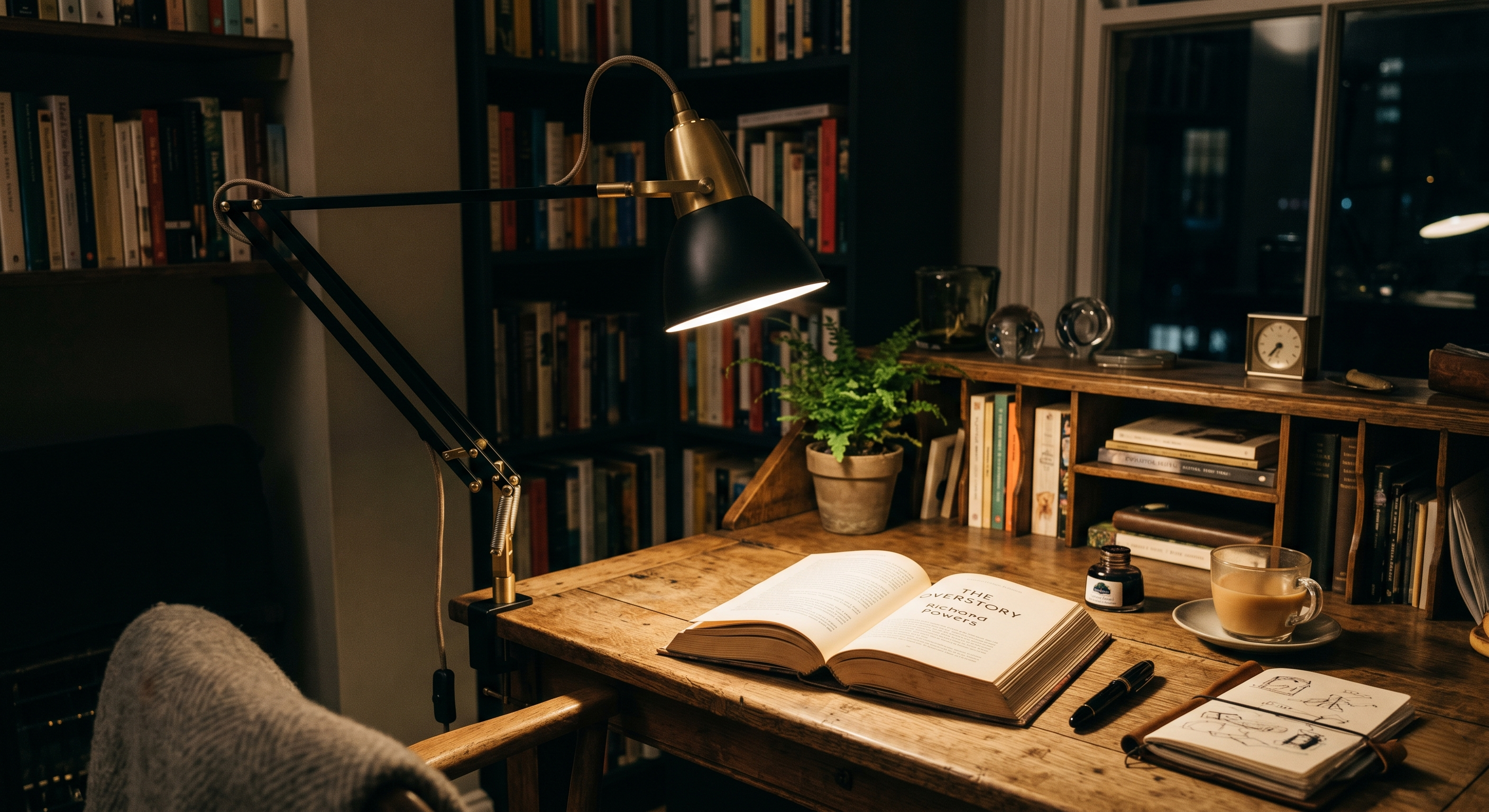
Task lighting is surgical. It is designed to aid specific activities—reading, cooking, or grooming—without straining the eyes.
-
Psychology of Focus: Bright, directional light signals the brain to be alert. In a home office or kitchen island, task lighting should be cool and crisp.
-
Placement Tip: To avoid shadows while working, ensure the light source is positioned between your head and the work surface, or use adjustable swing-arm lamps that allow you to customize the angle of delivery.
The Soul: Accent Lighting (The Drama)
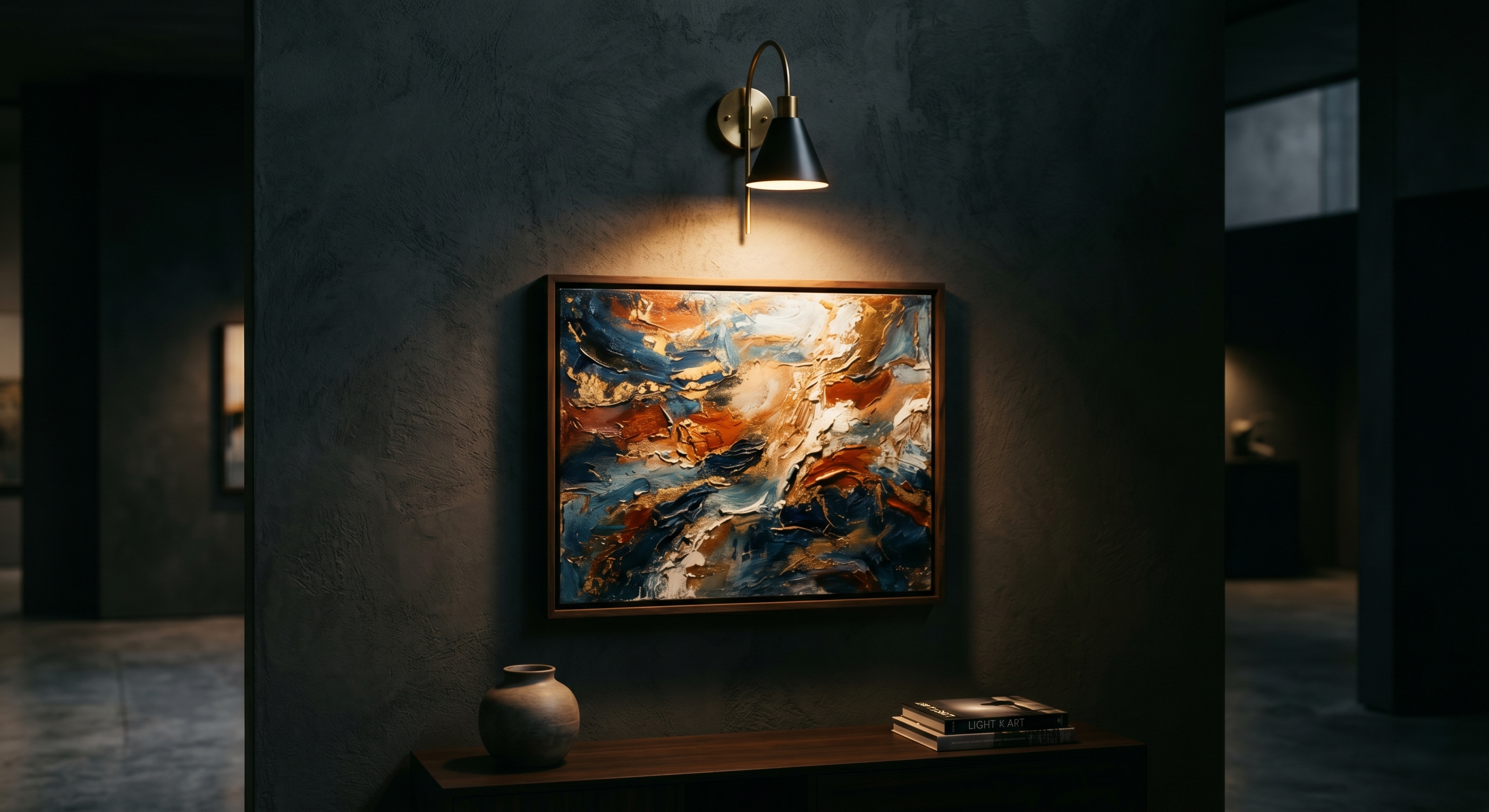
This is where true luxury resides. Accent lighting is used to draw the eye to architectural features, artwork, or textures. It is the "jewelry" that highlights the home’s best assets.
-
The 3-to-1 Rule: For an accent light to be effective, it should be at least three times brighter than the surrounding ambient light. This contrast creates visual hierarchy and guides the guest’s gaze through the space.
-
Creating Depth: Use wall-grazing fixtures to highlight the texture of a stone wall or a delicate wallpaper. By highlighting the "edges" of a room, you make the space feel larger and more curated.
Integration: The Power of Dimming and Controls
The final layer is not a fixture, but a control. A room’s layering is only successful if it can adapt to the time of day and the mood of the inhabitants.
-
The Circadian Connection: As evening approaches, turn off the ambient overheads and rely solely on lower-level accents and task lamps. This mimicry of the setting sun triggers the body’s natural relaxation response.
-
Design Advice: Every premium fixture in your collection should be dimmable. The ability to "dial down" the intensity is what separates a commercial space from a warm, soulful home.
Conclusion: Orchestrate Your Atmosphere
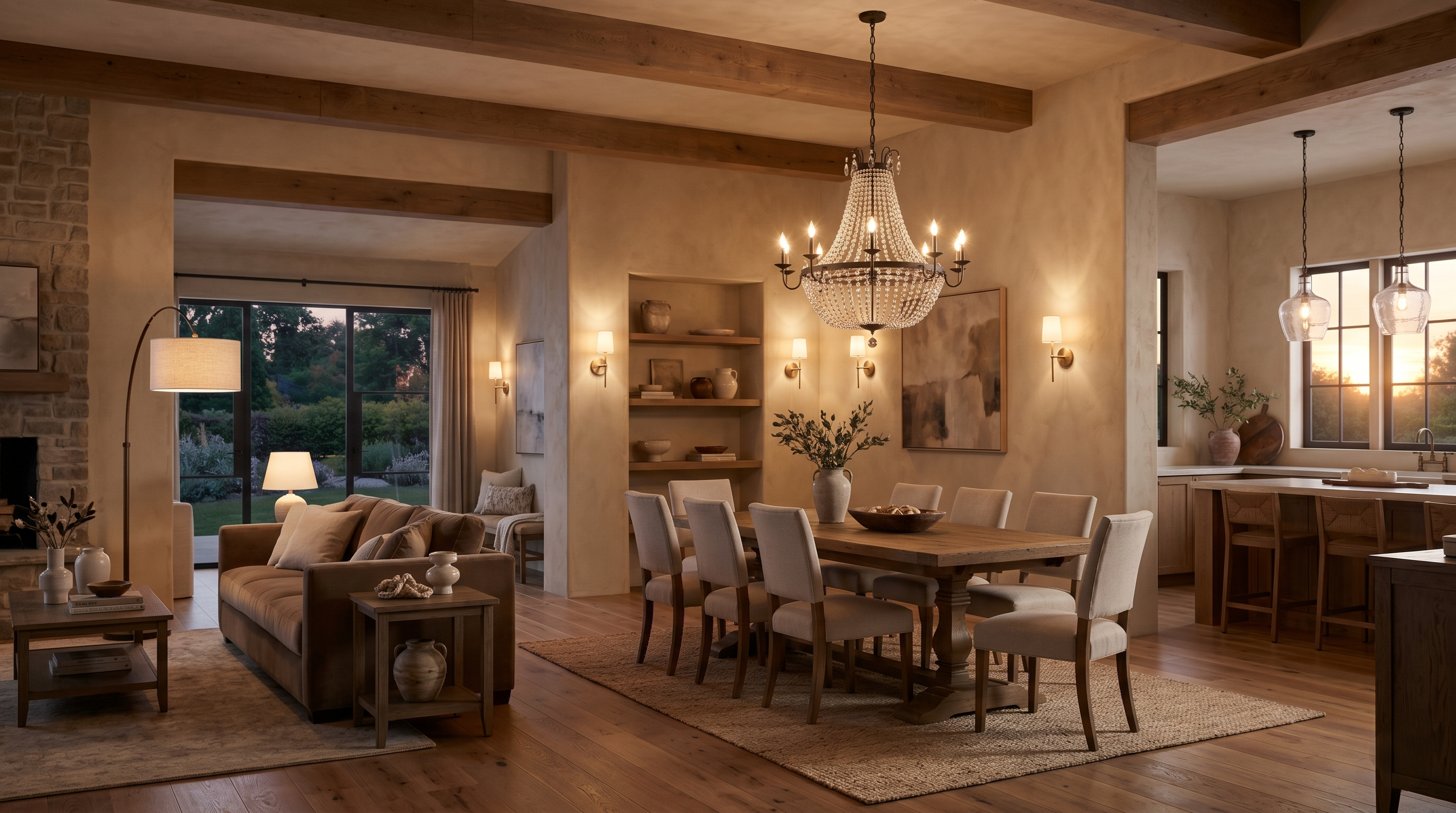
Lighting is the silent conductor of your home’s atmosphere. By moving away from the "one-switch" mentality and embracing the complexity of layers, you don't just light a room—you compose an experience.
Discover our lighting collections, featuring sculptural wall sconces, architectural floor lamps, and centerpiece chandeliers designed to work in perfect harmony.